
Article Directory
The wrong swimming pool cover material shows its weakness fast, usually as a torn edge after one windy season or a faded, brittle sheet that cracks the first time it gets folded for storage. Residential pools, hotel pools, and public facilities each put very different demands on a cover, from how often it gets handled to how much direct sun and rain it survives outdoors. Matching material properties to the actual application is what separates a cover that lasts a decade from one that needs replacing every year, and that match starts with understanding what each material family is actually built to withstand.
Four Common Pool Cover Materials
Most swimming pool covers are built from one of four material families, each with a distinct balance of strength, weight, and weather resistance. Picking between them comes down to how the pool is actually used, not which material sounds the most durable on paper.
PVC
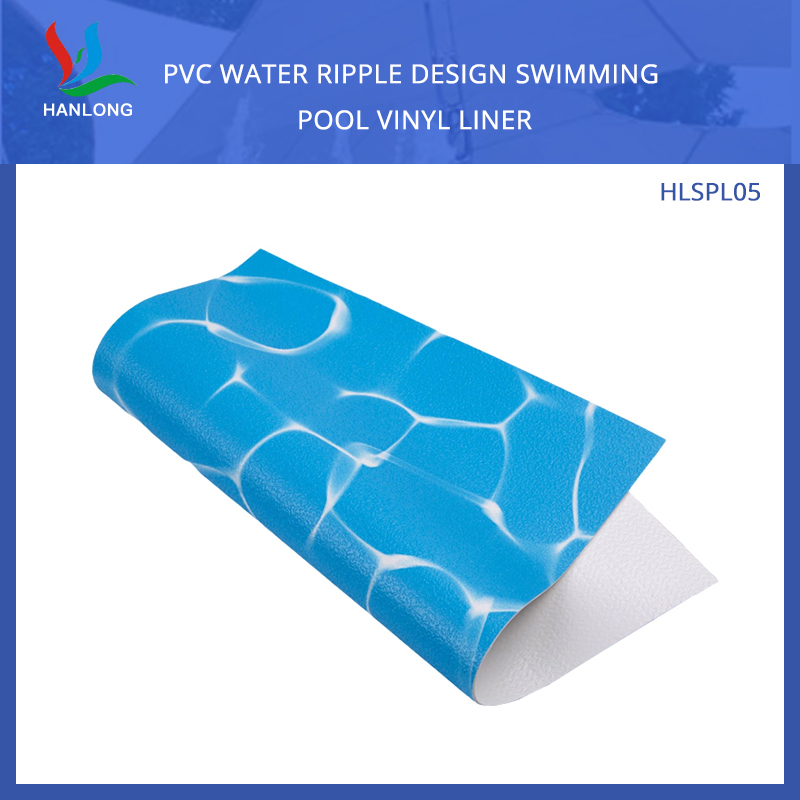
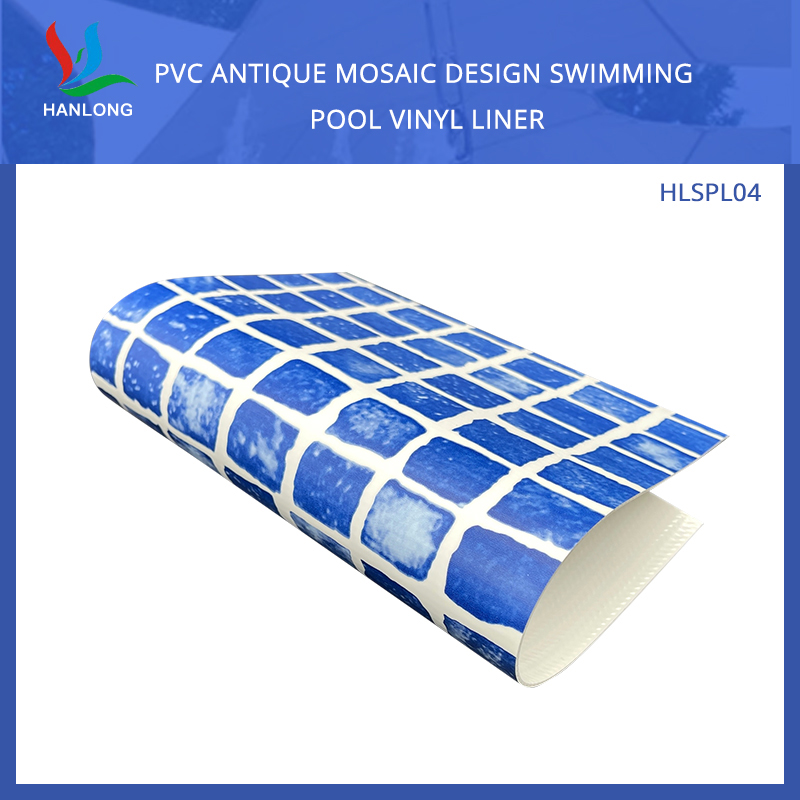
Strong waterproofing, good flexibility, and reliable UV resistance for most outdoor residential and hotel pools.
Reinforced Vinyl
A reinforced fabric base with coating layers built for high tensile strength and long-term tear resistance.
Polyethylene (PE)
Lightweight and cost-effective, best suited to seasonal or temporary pool protection needs.
Mesh
Breathable and drains automatically, reducing water buildup in areas with frequent rainfall.
Tear resistance rating across four common pool cover material families
Matching Materials to Your Pool Application
Residential, hotel, and public pools each place different weight on flexibility, strength, and weather resistance, which is why the same material rarely serves every application equally well. A cover chosen purely for one property, such as raw tensile strength, can still fail an application that actually needed easy handling or better UV stability instead.
| Application | Recommended Material Features |
| Home Pool | Flexible, easy maintenance, safe handling |
| Hotel Pool | Durable, UV resistant, attractive appearance |
| Public Pool | High strength, heavy-duty performance |
| Winter Cover | Waterproof, weather resistant |
| Temporary Cover | Lightweight, easy installation |
Expected years of UV resistance before noticeable degradation, by material
How Materials Hold Up Under Outdoor Exposure
Sunlight, rain, and temperature swings all attack pool cover material differently, and the gap between standard and weather-optimized construction widens every year the cover stays outside. Strength retention is the clearest measure of that gap, since a cover that has lost half its tensile strength no longer provides the safety margin it did when new, even if it still looks intact from a distance. UV-stabilized reinforced vinyl is specifically engineered to slow that decline, which is why it costs more upfront but often works out cheaper across the full life of the pool.
Modeled strength retention, UV-stabilized reinforced vinyl versus standard PVC
Common Mistakes When Choosing Pool Cover Material
The same few missteps account for most pool covers that underperform or fail early, and nearly all of them trace back to skipping a step in matching the material to the actual conditions the cover will face.
Common Mistake
- Choosing the lowest-priced material without checking pool size or weight demands
- Ignoring local climate, such as heavy UV exposure or frequent rainfall
- Selecting heavy-duty fabric that is too difficult to install and store alone
Better Approach
- Match tensile strength and reinforcement to actual pool dimensions
- Choose UV-resistant or waterproof-rated material for the local climate
- Balance strength against weight so installation stays manageable
PVC versus reinforced vinyl across four selection dimensions
Frequently Asked Questions
Which pool cover material lasts longest outdoors?
Reinforced vinyl with UV-stabilized coating typically lasts longest under direct sun and repeated outdoor exposure, outperforming standard PVC and PE by several years.
Is mesh or solid material better for rainy climates?
Mesh drains automatically and resists water pooling on the surface, making it a strong choice for areas with frequent rainfall, though it offers less debris and evaporation control than a solid cover.
Do indoor pools need UV-resistant cover material?
Indoor pools experience far less UV exposure, so moisture resistance and easy cleaning matter more than UV stabilization when selecting material for indoor use.
How does material choice affect long-term maintenance costs?
Choosing the right swimming pool cover material for the application reduces replacement frequency and repair costs far more than any savings gained by buying the cheapest option available.
 |
 |


 Home
