
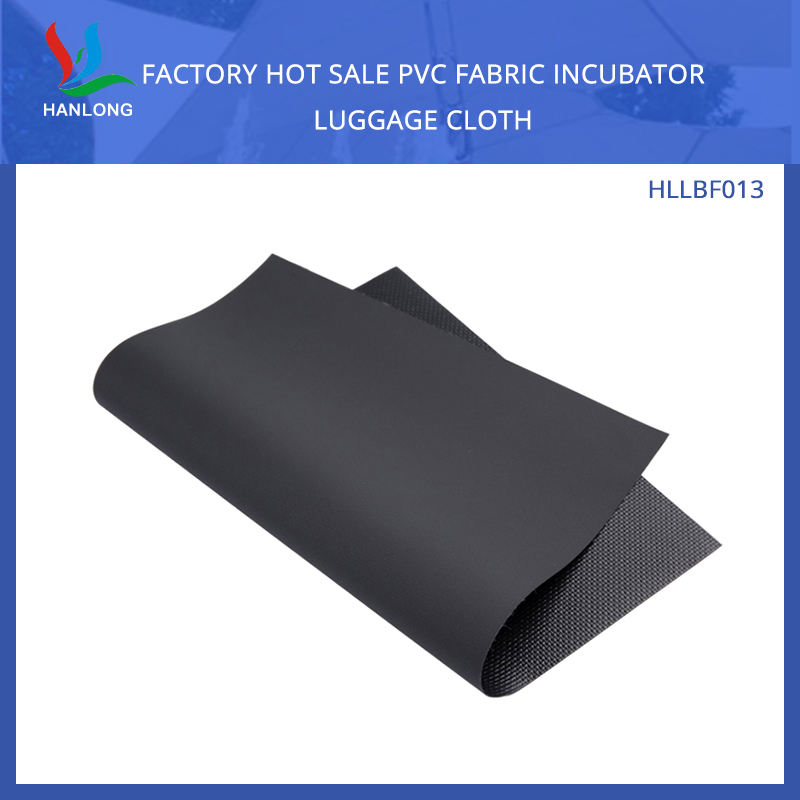
Industrial Building Roof Membrane PVC
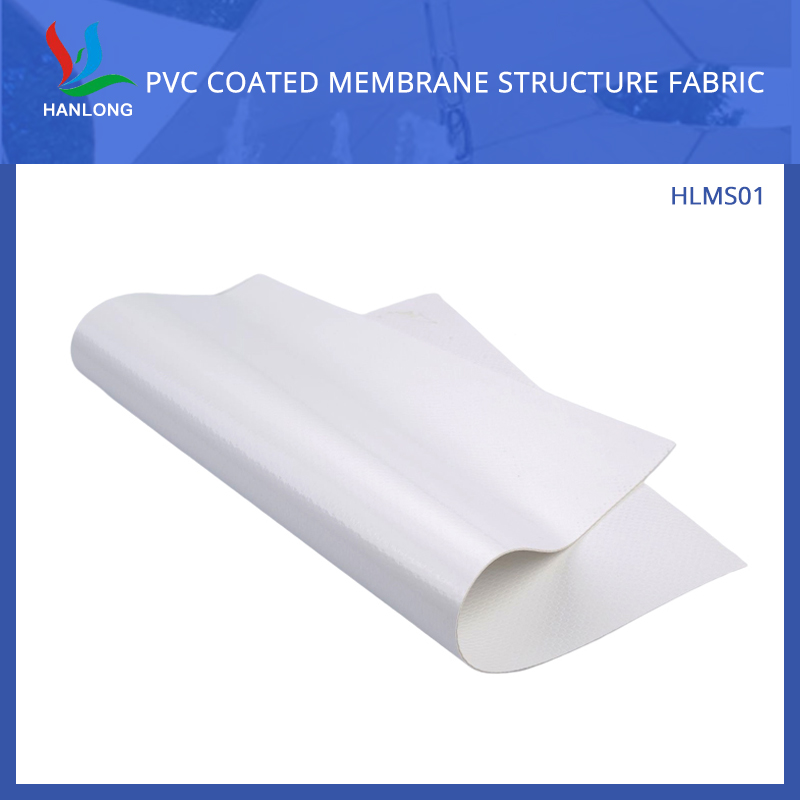
Industrial building roof membrane PVC is a single-ply coated textile sheet engineered for large-footprint production, storage, and processing facilities. The membrane is built on a woven high-tenacity polyester base cloth encapsulated with a PVC compound, supplied in thicknesses from 1.0 mm to 2.5 mm and finished with an acrylic or PVDF topcoat. It is installed over insulation or existing substrates using mechanical fastening, adhesive bonding, or ballasted systems, with seams closed by hot-air or wedge welding to form a continuous weather envelope. Specification is governed by tensile and tear values, puncture resistance, hydrostatic performance, fire classification, and chemical resistance rather than by thickness alone. The grade is selected where long service life, resistance to industrial pollutants, and predictable behaviour under foot traffic and equipment loads are all required at the same time.
Foot Traffic & Maintenance Access
Service access requires protection layers over high-traffic routes. Walkway pads or pavers are specified where technicians, HVAC units, or ductwork are regularly accessed, since the coating resists abrasion but not sustained point loading.
Chemical & Pollutant Exposure
The PVC compound resists acids, alkalis, and common industrial fallout across a pH range of roughly 2-12. Aromatic hydrocarbons, ketones, and strong oxidizers require separate assessment and may call for a protective barrier layer.
Thermal Load
Continuous exposure is rated from -35°C to +80°C. Exhaust stacks, flues, and high-temperature process equipment require shielding or thermal separation to prevent local softening and coating degradation.
Solar & UV Load
Reflective light-colored grades reduce surface temperature and thermal movement. PVDF topcoat is specified where gloss retention and reflectivity must be preserved over long exposure periods.


 Home
